
All pet-care guides
Bringing a bird, rabbit or reptile to the vet
How to travel safely, what to bring, and the signs that need a vet the same day.
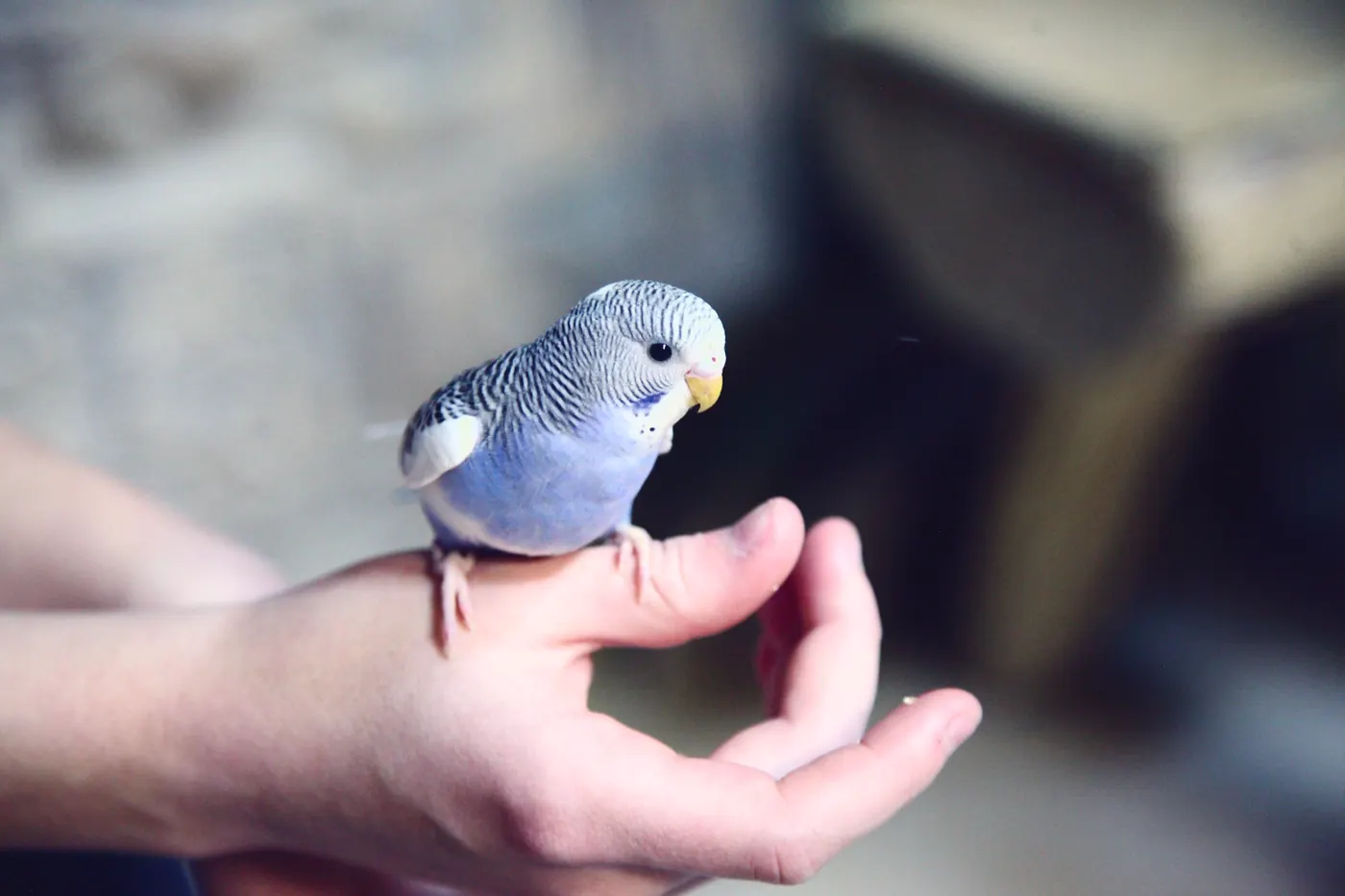
Birds, rabbits and reptiles are good at hiding illness. By the time they look unwell, they may have been sick for a while, so it pays to come in early.
Travelling safely
- Use a secure carrier or small cage with a towel on the floor. Remove swings and loose items from a bird's cage.
- Keep the carrier out of direct sun and away from air-conditioning vents. Reptiles need to stay warm but must not overheat.
- Cover a bird's carrier lightly to keep it calm.
What to bring
- photos of the cage, tank or enclosure, including lighting and heating
- a list or photo of what your pet eats, and any supplements
- a fresh droppings sample if you can, in a clean container
Come in the same day if
- a rabbit or guinea pig has not eaten or passed droppings for 12 hours or more
- a bird is fluffed up, sitting on the cage floor or breathing with its tail bobbing
- a reptile has stopped eating for longer than usual, has swollen limbs or cannot move normally
Our vets see birds, reptiles, turtles and tortoises, rabbits, hamsters and guinea pigs.
More guides
-
 When to bring your pet in right away
The signs that cannot wait until morning, and what to do on the way.
-
 Your puppy's first year: vaccines and deworming
What shots and deworming your puppy needs, and roughly when.
-
 Your kitten's first vaccines
The core shots, deworming and when to start, for a healthy first year.